
Hazard Identification
Identify mechanical, electrical, motion, stored-energy, access and automation-related hazards.
Practical machinery-safety reviews covering hazards, access, guarding, interlocks, emergency stops, light curtains, scanners, safe zones, safety-control interfaces and risk-reduction recommendations.
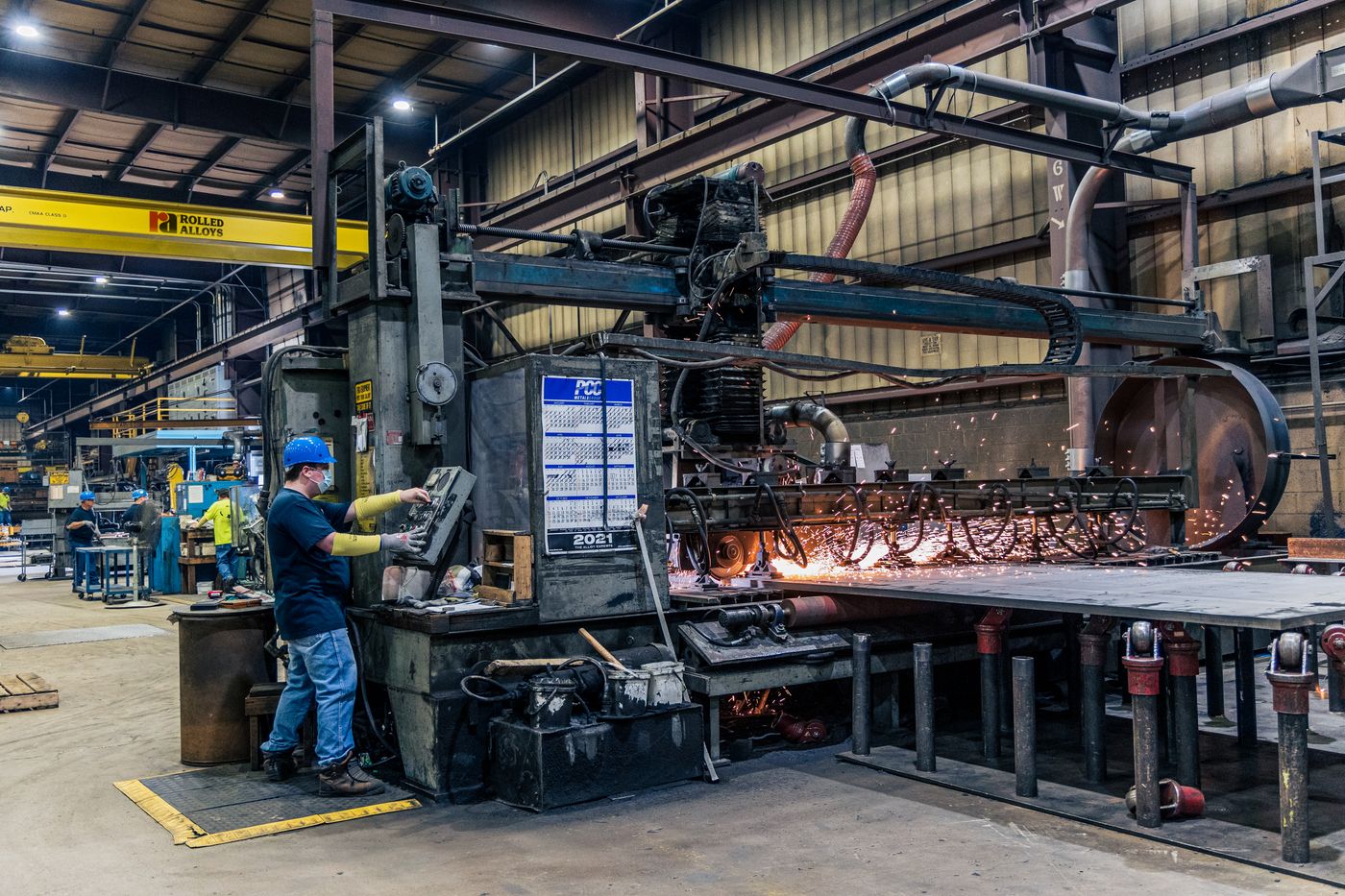
The review considers normal production, cleaning, setup, fault recovery, maintenance, manual intervention and foreseeable abnormal conditions—not only the machine in automatic mode.
Identify mechanical, electrical, motion, stored-energy, access and automation-related hazards.
Document hazardous tasks, exposure, potential consequences and required risk-reduction actions.
Review fixed/movable guards, interlocks, light curtains, scanners, safe distances and access points.
Review emergency-stop coverage, stop behaviour, reset philosophy and safe restart conditions.
Review safety-PLC interfaces, safety I/O, safe-drive signals, zone status and standard/safety PLC handshakes.
Provide structured findings, recommended controls, priorities and documentation for remediation planning.
Confirm machine boundaries, users, operating modes, interventions and maintenance activities.
Review hazardous motion, crushing/shearing, entanglement, ejection, stored energy and access to danger zones.
Assess the risk-reduction measures already implemented and how they interact with the control system.
Define practical engineering actions to reduce residual risk and improve maintainability.
Document findings and support implementation planning or subsequent verification activities.
Reviews can consider relevant machinery-safety risk-management principles and standards, including the AS 4024 series and ISO 12100 where applicable to the agreed scope.
Important: A risk assessment or controls review does not automatically constitute statutory certification, independent functional-safety validation, plant registration or regulatory sign-off. Where formal verification, validation, certification or specialist sign-off is required, that scope must be explicitly defined and completed by appropriately competent/qualified parties.